Jakarta, lupincasino.com – Pari-Mutuel Betting is a wagering system in which all bets of a particular type are placed into a shared pool, and payouts are determined by dividing that pool among the winning bets after deductions such as taxes, fees, or the operator’s commission. Unlike fixed-odds betting, where the payout is locked in at the time a bet is placed, Pari-Mutuel Betting produces final odds that shift based on how much money is wagered on each outcome. This makes it one of the most widely recognized systems in horse racing and other racing-based events. It is betting by committee, except the committee is a crowd of strangers with strong opinions and varying luck.
What makes Pari-Mutuel Betting important is that understanding the pool structure changes how bettors interpret value, risk, and payout potential. Because the return depends on the collective behavior of all participants, bettors are not just evaluating the event itself. They are also reacting to the market formed by everyone else placing money into the same pool. That dynamic makes Pari-Mutuel Betting both simple in concept and strategic in practice.
What Pari-Mutuel Betting Is
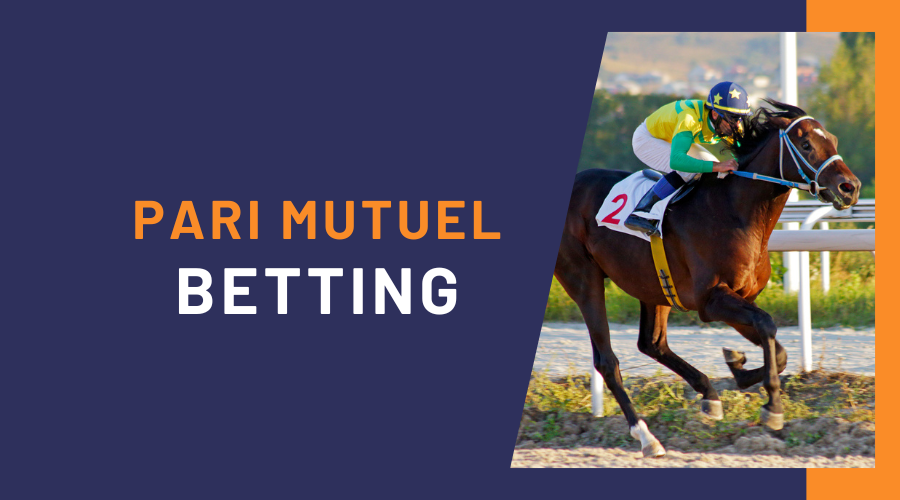
Pari-Mutuel Betting is a pool-based betting patihtoto system in which all stakes for a specific wager type are collected together, and the total pool is then shared among those who selected the winning outcome. The final payout is calculated only after betting closes and the operator removes its predetermined share.
Common features associated with Pari-Mutuel Betting include:
- Shared betting pools
- Variable final odds
- Payouts based on total pool size
- Operator deduction or takeout
- Heavy use in horse racing
- Market-driven value shifts
- No fixed return at bet placement
- Different pools for different wager types
These features make it distinct from fixed-odds or exchange betting systems.
Why Pari-Mutuel Betting Matters
Pari-Mutuel Betting matters because it changes the logic of wagering from betting against a bookmaker’s set price to participating in a shared price pool shaped by public behavior.
Market-Based Payouts
The odds move according to how much money is placed on each option.
Strategic Value Thinking
Bettors must consider not only which outcome may win, but whether the likely payout justifies the risk.
Transparency of Pool Logic
The underlying concept is straightforward: bigger pools and fewer winners typically mean larger returns.
Popularity in Racing
It remains central to horse racing, greyhound racing, and similar betting environments.
Multiple Bet Structures
The system supports win, place, show, exacta, trifecta, and other pool-based wager formats.
These strengths explain why Pari-Mutuel Betting remains a foundational concept in racing wagers.
Core Characteristics of Pari-Mutuel Betting
Its mechanics become clearer when its main traits are viewed together.
| Characteristic | Description | Why It Matters |
|---|---|---|
| Shared pool system | All bets of the same type go into one pool | Determines payouts collectively |
| Variable odds | Final odds change as more bets enter the pool | Creates uncertainty until betting closes |
| Takeout deduction | The operator removes a percentage before payouts | Reduces the total amount returned to winners |
| Public influence | Bettor behavior affects value and expected return | Makes crowd analysis important |
| Wager-type separation | Different bet categories have separate pools | Changes risk and reward by bet format |
Together, these characteristics show why Pari-Mutuel Betting is both simple to understand and nuanced in execution.
How Pari-Mutuel Betting Works in Practice
Pari-Mutuel Betting works by collecting all wagers in a specific pool, subtracting the operator’s commission, and then dividing the remaining amount among the winning tickets.
A simplified process looks like this:
- Bettors place wagers on a race or event.
- All wagers of the same type are grouped into a pool.
- The betting operator removes a preset percentage, often called the takeout.
- After the event ends, the remaining pool is split among all winning bets.
- The final payout per ticket depends on how many people picked the winning result and how large the pool became.
This means a popular selection may still win, but pay less because many bettors share the pool.
Why Bettors Should Understand It
Pari-Mutuel Betting is important to understand because many beginners assume listed odds guarantee a certain payout, when in this system the final return changes with betting volume until the pool closes. That difference can significantly affect strategy, bankroll planning, and the perception of value.
It is especially important because it affects:
- Expected payout calculations
- Timing of bets
- Interpretation of crowd sentiment
- Risk assessment across wager types
- Long-term betting discipline
The key idea is simple: in Pari-Mutuel Betting, you are betting into a pool, not locking in a price.
Final Thoughts
Pari-Mutuel Betting is a pool-based wagering system that rewards bettors according to how a shared betting pool is distributed after deductions and winning outcomes are determined. Its importance lies in how it blends event prediction with market behavior, making payout value dependent on both race results and public betting patterns. For anyone interested in racing wagers, understanding Pari-Mutuel Betting is essential because it shapes how odds, payouts, and strategy really work.
The key takeaway is simple. Pari-Mutuel Betting matters because successful pool betting requires understanding both the event and the crowd behind the odds.
Explore our “”Knowledge“” category for more insightful content!
Don't forget to check out our previous article: Dominoes Duels: Strategic Tile Play in Casinos
