Gambling history, as an activity, has been a part of human culture for centuries. From ancient civilizations to modern-day casinos and online gaming platforms, the concept of risking something of value for the possibility of gaining something more has persisted throughout history. Over the years, gambling has evolved from simple games of chance to multi-billion-dollar industries. The transformation of betting and gaming has been shaped by societal changes, technological advancements, and legal regulations.
In this article, we will explore the rich history of gambling, examining its origins, cultural significance, and how it has evolved over the centuries to become the global entertainment phenomenon it is today.
The Origins of Gambling
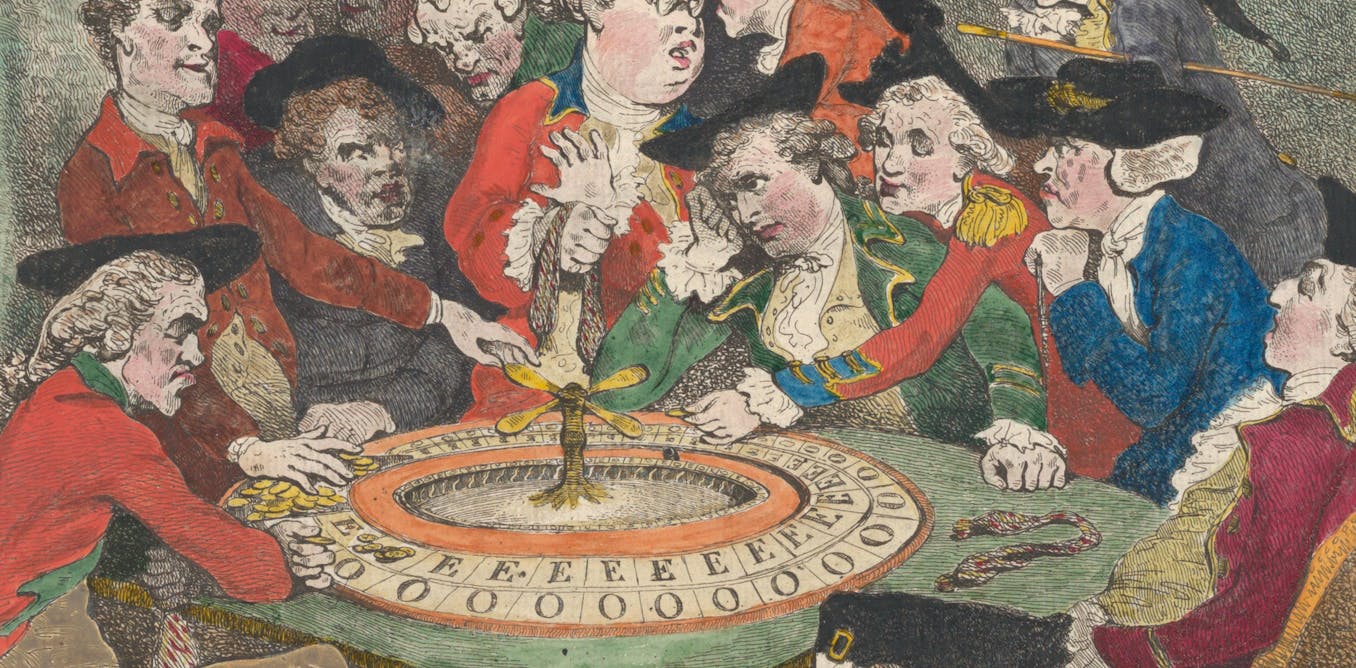
Gambling can be traced back to ancient civilizations, where people bet on everything from the outcome of wars to sporting events. The earliest recorded evidence of gambling comes from the ancient Chinese, Egyptians, and Romans.
Ancient China and Egypt
In ancient China, gambling was a popular pastime, with evidence suggesting that a form of lottery existed as early as 2300 BC. Chinese rulers would use gambling for funding large public projects, like the construction of the Great Wall of China. The Chinese also developed the game of keno, a lottery-style game that is still played today.
In ancient Egypt Knowledge, gambling was associated with dice games. The Egyptians were known to play games of dice with gambling involved, and archaeologists have found evidence of dice dating back to around 3000 BC.
Ancient Greece and Rome
The Greeks and Romans also had a love for gambling. In ancient Greece, dice games were common, and even the famous Greek poet Homer referenced dice games in his epics. The Romans took gambling to a new level, with gladiatorial games and chariot races serving as popular betting events. Romans would wager on the outcomes of these events, and betting was also common during large public festivals.
The Romans invented a game known as tabula, an early version of backgammon, and it was often played for money. However, gambling was often frowned upon by Roman authorities, who occasionally banned it for moral and financial reasons.
The Rise of Modern Gambling
The transition from ancient games of chance to modern gambling occurred over centuries, with the development of card games, the establishment of organized betting systems, and the founding of the first casinos.
The Middle Ages
During the Middle Ages, gambling was largely regulated by religious and monarchic authorities. Many forms of gambling were banned by the Catholic Church, as gambling was seen as a sinful activity. However, this did not stop gambling from being practiced secretly in some areas.
In the 15th century, the invention of playing cards in Europe marked a new phase in gambling history. The first official deck of cards appeared in France, and card games became a widespread form of entertainment across the continent. Gambling houses began to pop up, with various forms of card games being played for money.
The 17th Century: The Birth of Modern Casinos
The first true casino was established in Venice, Italy, in 1638. The Casino di Venezia was originally intended to be a place for social gatherings, but over time it evolved into a full-fledged gambling establishment. The word “casino” itself comes from the Italian word for a small house or pavilion used for social events.
This period also saw the rise of roulette, a game of chance that would go on to become a cornerstone of casino gaming. The game was invented in France in the late 17th century, and it quickly gained popularity across Europe.
The 18th and 19th Centuries: Expansion and Regulation
As European settlers began colonizing new territories, gambling spread to the Americas, and the growth of cities brought a new demand for entertainment and leisure activities, including gambling.
The United States and the Wild West
During the 19th century, gambling became widely popular in the United States. The gold rushes in California and Nevada brought people from all over the world, many of whom turned to gambling as a way to make quick money. The famous Las Vegas strip became the heart of the gambling world in the 20th century, but in the 1800s, Nevada was still largely under the radar in terms of legal betting.
In the early days of gambling in America, casinos were often part of larger entertainment complexes in cities like New Orleans, and games like poker and baccarat became common. However, many gambling establishments operated outside the law, and unregulated games, along with organized crime, played a significant role in the history of gambling during this period.
The Development of Lotteries and Horse Racing
Lotteries and horse racing became significant parts of gambling culture in the 19th century. Lotteries were used to fund public works, and various states in the U.S. established their own lotteries to raise money for infrastructure and education. Horse racing was also legalized and quickly became a popular form of betting, especially in cities like New York.
In the United Kingdom, betting on horse races became a major social event, and the establishment of Ascot and Epsom Downs further solidified horse racing’s place in British culture. The United Kingdom also saw the rise of the betting shop in the 1960s, where people could place wagers on a variety of sporting events.
The 20th Century: The Golden Age of Casinos
The 20th century marked a significant shift in the world of gambling, with casinos becoming large-scale, legitimate businesses. The golden age of casinos is often considered to have started in the 1930s, with the opening of Monte Carlo in Monaco and Las Vegas in the United States.
Las Vegas and the Rise of Mega-Casinos
Las Vegas, Nevada, became the hub of global gambling in the mid-20th century. The opening of famous resorts like the Flamingo (1946), owned by mobster Bugsy Siegel, and the Caesars Palace (1966), marked the beginning of a casino boom in the city. These casinos offered not only gaming but also luxurious accommodations, world-class entertainment, and fine dining, turning Las Vegas into a top tourist destination.
Throughout the second half of the 20th century, casinos began to expand beyond Las Vegas to other parts of the U.S. and around the world. The casino resorts of today are large-scale operations with shopping malls, nightclubs, restaurants, and hotel rooms, offering more than just gaming but a complete entertainment experience.
Online Gambling and Technological Advancements
In the late 1990s and early 2000s, the internet revolutionized gambling. The first online casinos began to appear, offering players the ability to gamble from the comfort of their homes. Games like poker, blackjack, and roulette were made available online, making gambling accessible to a global audience.
Technology also brought about innovations in mobile gaming. With the rise of smartphones and tablets, mobile gambling apps have allowed people to place bets and play casino games from virtually anywhere. Live dealer games, powered by advanced streaming technology, have brought the casino experience directly into people’s homes.
The Present and Future of Gambling
Today, gambling is a global industry worth billions of dollars. From sports betting and casino gaming to online poker and eSports betting, gambling has evolved into a major form of entertainment. However, there are growing concerns about the social and psychological impact of gambling, leading to increased regulation in many countries.
Governments around the world are beginning to take more proactive measures to protect consumers and ensure responsible gambling. This includes setting up self-exclusion programs, promoting responsible gambling awareness, and regulating online gambling to prevent fraud and ensure fair play.
The Rise of Esports and Virtual Gambling
In the 21st century, eSports has emerged as a new frontier for gambling. With millions of fans watching competitive gaming tournaments, betting on eSports matches has become a popular form of gambling, especially among younger audiences. Virtual reality (VR) and augmented reality (AR) technologies are also expected to transform the gambling landscape, creating more immersive and interactive experiences.
Conclusion
The history of gambling is rich and diverse, evolving from ancient forms of entertainment to the sophisticated, high-tech industry we see today. As gambling continues to evolve, it raises important questions about regulation, technology, and responsible fatcai99 gaming. With the rise of online platforms and the emergence of new forms of betting like eSports, the future of gambling is bound to be exciting, with new innovations that continue to reshape the industry.
