In the world of poker, success often hinges on more than just the cards you hold; it involves understanding your opponents and their behaviors. Tell reading is a crucial skill that can significantly enhance your poker game, allowing you to make informed decisions based on the subtle cues and signals exhibited by your opponents. This article will explore the concept of tell reading, its importance in poker, and strategies to effectively observe and interpret opponent behavior.
Understanding Tell Reading
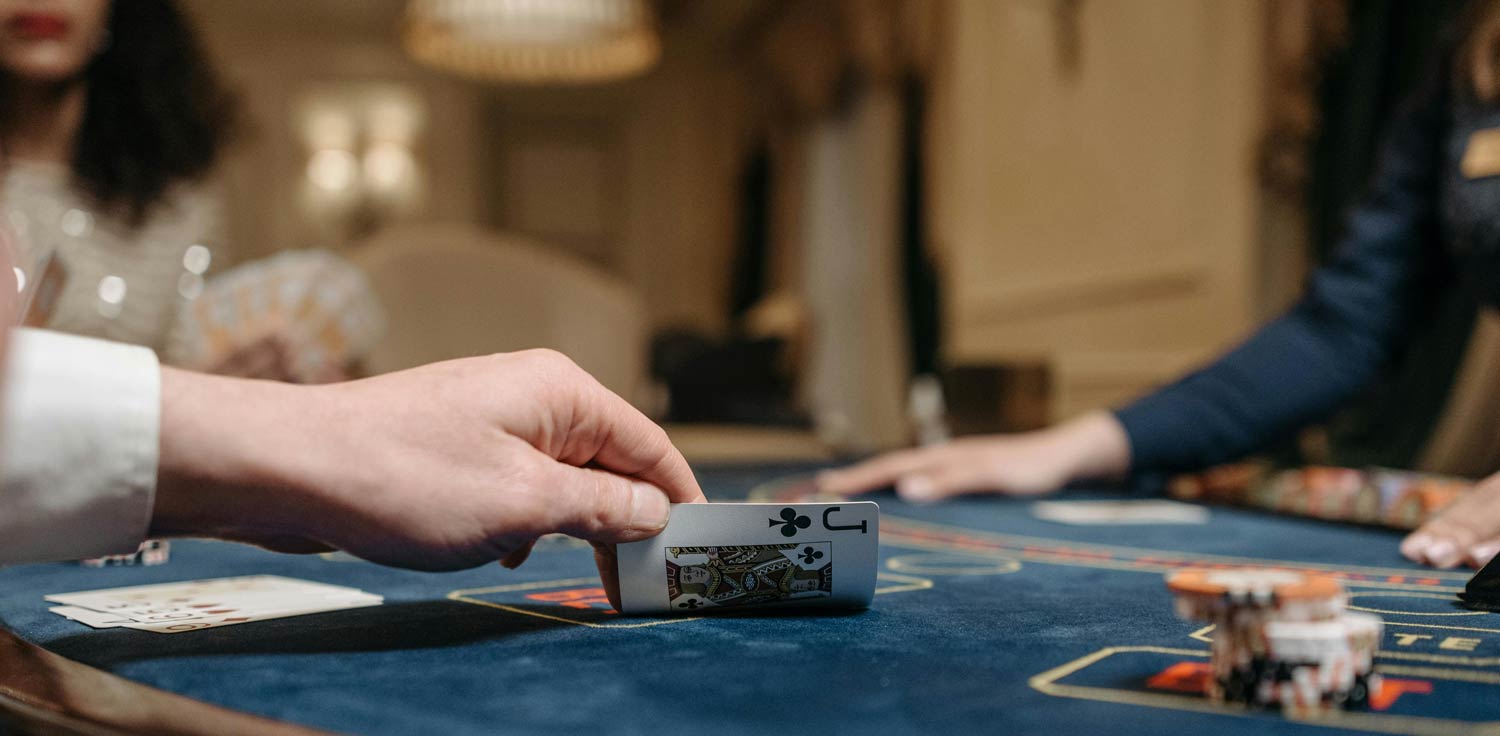
Tell reading refers to the ability to observe and interpret non-verbal cues and behaviors exhibited by players at the poker table. These cues can provide valuable insights into an opponent’s hand strength, intentions, and emotional state. Tells can manifest in various forms, including body language, facial expressions, betting patterns, and even verbal cues.
The Importance of Tell Reading in Poker
- Gaining an Edge: By accurately reading your opponents, you can gain a significant advantage over them. Understanding their tendencies and behaviors can help you make better decisions, whether to call, raise, or fold.
- Bluff Detection: Tells can be crucial in identifying when an opponent is bluffing. Recognizing signs of discomfort or nervousness can alert you to the possibility that your opponent may not have a strong hand.
- Adjusting Your Strategy: Observing how your opponents react in different situations allows you to adjust your own strategy accordingly. If you notice a player consistently reacts to pressure in a certain way, you can exploit that behavior to your advantage.
Common Types of Tells
To become proficient at tell reading, it’s essential to familiarize yourself with common types of tells. Here are some key behaviors to watch for:
1. Physical Tells
- Body Language: Closed body language, such as crossed arms or leaning away from the table, may indicate nervousness or weakness. Conversely, an open posture can signal confidence.
- Facial Expressions: Subtle changes in facial expressions, such as a twitch or a smile, can provide clues about an opponent’s emotional state. Pay attention to eye movements and facial tension.
2. Betting Patterns
- Timing: The speed at which a player makes a decision can reveal information. A quick bet may indicate confidence, while a prolonged pause might suggest uncertainty.
- Bet Sizing: Variations in bet sizing can indicate strength or weakness. For example, a player who suddenly bets large after consistently betting small may be trying to intimidate opponents.
3. Verbal Tells
- Speech Patterns: Listen for changes in tone, volume, or speed of speech. Nervous players may speak more quickly or stutter, while confident players may speak calmly and deliberately.
- Table Talk: Some players engage in conversation to distract or mislead opponents. Pay attention to what they say and how they say it, as it can reveal their true intentions.
Strategies for Effective Tell Reading
To enhance your tell reading skills, consider the following strategies:
1. Observe, Don’t React
When you’re not in a hand, take the opportunity to observe your opponents closely. Watch their behavior, betting patterns, and interactions with other players. Avoid focusing solely on your own cards; instead, gather as much information as possible about your opponents.
2. Take Notes
If you play regularly with the same opponents, keep a record of their behaviors and tendencies. Noting specific tells can help you recall important information during future games, allowing you to make more informed decisions.
3. Practice Active Listening
Pay attention not only to what your opponents say but also to how they say it. Active listening can help you pick up on verbal tells and nuances in conversation that might otherwise go unnoticed.
4. Stay Calm and Collected
Your own demeanor can influence how opponents perceive you. Maintaining a calm and confident presence can prevent others from picking up on your tells, while also allowing you to focus better on their behaviors.
5. Adapt and Adjust
As you gather information, be flexible in your interpretations. Tells can vary from player to player, and individuals may change their behaviors over time. Always be ready to adapt your reading strategies based on new observations.
Conclusion
In conclusion, tell reading is an essential skill for any serious poker player looking to gain an edge at the table. By observing and interpreting opponent behavior, you can make more informed decisions, detect bluffs, and adjust your strategy accordingly.
Developing your tell reading abilities takes practice and patience, but the insights gained can significantly enhance your overall poker performance. As you continue to refine this skill, remember to stay observant, keep notes, and adapt your strategies to the unique dynamics of each game. With dedication and practice, you can master the art of tell reading and elevate your poker game to a professional level.
