Jakarta, lupincasino.com – Heads-Up Poker is one of the most intense and strategically demanding forms of poker because it places two players in direct competition with very little room to hide. Unlike full-ring or multi-table play, heads-up poker requires constant involvement, wider hand ranges, more aggressive decision-making, and a sharper understanding of opponent behavior. Every hand becomes a direct contest of pressure, timing, and adaptation, making the format both fast-paced and psychologically challenging.
What makes Heads-Up Poker especially compelling is that it combines technical skill with mental warfare. Players must not only understand betting patterns, hand strength, and positional advantage, but also recognize tendencies, exploit weaknesses, and remain unpredictable. Since blinds come around quickly and passive play often becomes costly, aggression tends to play a central role. In other words, it is poker with the training wheels removed and the spotlight turned up.
What Heads-Up Poker Is
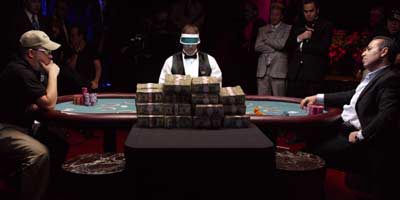
Heads-Up Poker is a poker format in which only two players compete against each other at the table. It can occur in cash games, sit-and-go tournaments, tournament endgames, or specialized one-on-one matches. Because there are only two players, the game moves quickly and demands wider starting hand selection and more active play than standard multi-player formats.
Common features associated with Heads-Up Poker include:
- One-on-one competition
- Wider hand ranges
- Frequent blind pressure
- Strong positional importance
- Aggressive betting dynamics
- Fast decision cycles
- Psychological reading
- Constant strategic adjustment
These features explain why Heads-Up Poker is often seen as one of the purest tests of poker skill.
Why Heads-Up Poker Matters
Heads-Up Poker matters because it sharpens strategic thinking and exposes both technical and psychological weaknesses more quickly than many other poker formats.
Greater Aggression
Players must raise, pressure, and defend more often due to wider ranges and blind structure.
Positional Awareness
Being in position carries major value because each decision has amplified importance.
Opponent Adaptation
Success depends heavily on reading and adjusting to one specific opponent.
Mental Discipline
The format tests patience, confidence, and emotional control under sustained pressure.
Strategic Depth
Heads-up play involves layered decisions around timing, bluff frequency, and exploitation.
These strengths explain why Heads-Up Poker is so respected among competitive players.
Core Characteristics of Heads-Up Poker
Its intensity becomes clearer when its defining traits are viewed together.
| Characteristic | Description | Why It Matters |
|---|---|---|
| Wide hand selection | More hands become playable | Reflects the reduced number of opponents |
| Aggressive action | Raises and bluffs occur more frequently | Helps apply pressure and win uncontested pots |
| Rapid adaptation | Strategies must shift based on opponent behavior | Prevents predictability |
| Positional advantage | Acting last provides more control | Improves decision-making and pressure opportunities |
| Psychological focus | Reading habits and mindset becomes critical | Creates an edge beyond raw card strength |
Together, these characteristics show why Heads-Up Poker requires both aggressive strategy and a strong psychological edge.
Aggressive Strategies in Heads-Up Poker
To succeed in Heads-Up Poker, players usually need a more aggressive and flexible approach than in full-table games.
Play More Hands
Because there is only one opponent, many more starting hands become viable.
Apply Blind Pressure
The blinds rotate quickly, so stealing and defending become essential parts of long-term success.
Use Position Actively
Players should take advantage of acting last by controlling pot size, applying pressure, and gathering information.
Mix Betting Patterns
Balanced aggression helps prevent predictability and keeps the opponent uncertain.
Attack Weakness
If an opponent folds too often, calls too lightly, or avoids confrontation, aggressive adjustment can create a strong edge.
These strategies show why pressure and initiative are central to effective heads-up play.
The Psychological Edge in One-on-One Play
Heads-Up Poker is not just about cards. It is also a contest of perception, confidence, and emotional steadiness.
Key Psychological Factors
- Recognizing opponent tendencies
- Managing tilt and frustration
- Remaining unpredictable
- Projecting confidence through action
- Adapting to changing rhythms of play
Since the same opponent is faced repeatedly, patterns become more visible and mental resilience becomes more important. This is what gives Heads-Up Poker such a distinct psychological dimension.
Why It Remains Important
Heads-Up Poker remains important because it highlights the core skills of the game in a concentrated form. Without the cover of multiple opponents, players must rely on timing, pressure, observation, and self-control. It is a format that rewards courage, analytical thinking, and fast adjustment while punishing hesitation and predictability.
It continues to stand out because it provides:
- High strategic intensity
- Greater emphasis on aggression
- Strong psychological depth
- Faster and more dynamic play
- A direct test of poker adaptability
This is why Heads-Up Poker remains one of the most respected forms of one-on-one competition in poker.
Final Thoughts
Heads-Up Poker is a demanding format that pushes players to think aggressively, observe carefully, and stay mentally composed. Its one-on-one structure removes much of the passivity that can exist in larger games and replaces it with constant pressure and adjustment. For players seeking a sharper test of skill, it offers one of the clearest arenas in which to develop both strategy and psychological strength.
The key takeaway is simple. Heads-Up Poker matters because one-on-one play turns every hand into a battle of pressure, adaptation, and nerve.
Explore our “”Knowledge“” category for more insightful content!
Don't forget to check out our previous article: Environmental Factors: Influences on Gambling That You Have to know
