Gambling has long been a popular pastime, drawing millions of participants worldwide. However, behind the thrill of games and the allure of winning lies a wealth of data that can provide valuable insights into gambling behaviors, trends, and risks. In this article, we will delve into gambling statistics, analyze the numbers like a pro, and share key insights that I wish I had known sooner.
Understanding Gambling Statistics
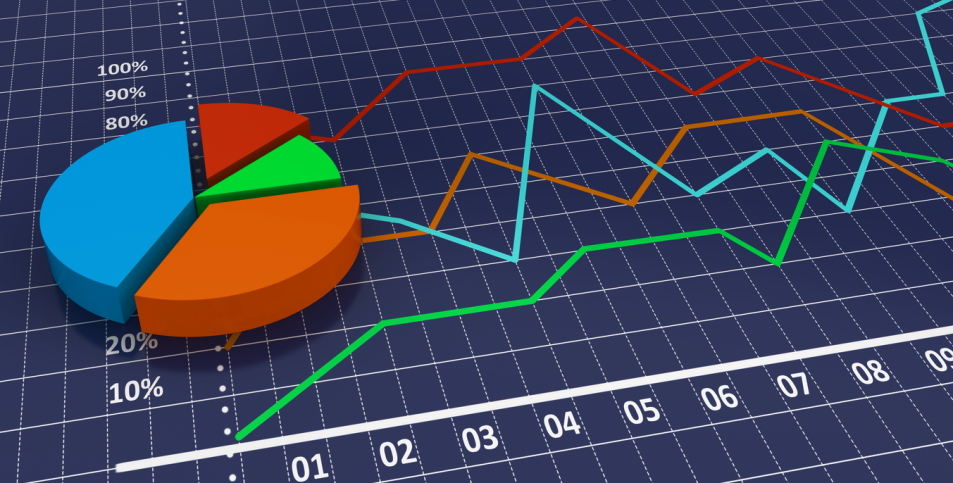
Gambling statistics encompass a wide range of data related to gambling activities, including participation rates, types of gambling, demographics of gamblers, and economic impacts. These statistics can help us understand trends in the gambling industry, the behaviors of gamblers, and the potential risks associated with gambling.
Key Gambling Statistics to Know
- Participation Rates: According to recent studies, approximately 60% of adults in the United States have participated in some form of gambling in their lifetime. This includes activities such as lotteries, sports betting, casino games, and online gambling.
- Types of Gambling: The most popular forms of gambling vary by region. For instance, in the U.S., state lotteries are immensely popular, while in Europe, sports betting and online casinos have seen significant growth. Understanding these preferences can help tailor marketing strategies and responsible gambling initiatives.
- Demographics: Gambling participation tends to vary by age, gender, and socioeconomic status. Studies show that younger adults (ages 18-34) are more likely to engage in online gambling, while older adults tend to prefer traditional casino games. Additionally, men are generally more likely to gamble than women, although the gap is narrowing.
- Economic Impact: The global gambling market is projected to reach over $500 billion by 2023. This growth is driven by the expansion of online gambling, the legalization of sports betting in various jurisdictions, and the increasing popularity of mobile gaming.
- Problem Gambling Rates: Approximately 1-2% of adults in the U.S. are estimated to meet the criteria for problem gambling. This statistic highlights the importance of responsible gambling measures and support systems for those who may be struggling.
Analyzing Gambling Statistics Like a Pro
To effectively analyze gambling statistics, consider the following steps:
1. Identify Reliable Sources
When researching gambling statistics, it is crucial to rely on credible sources such as government reports, academic studies, and reputable industry organizations. Sources like the National Council on Problem Gambling (NCPG) and the American Gaming Association (AGA) provide valuable insights and data.
2. Look for Trends Over Time
Analyzing changes in gambling statistics over time can reveal important trends. For example, the rise of online gambling and sports betting has significantly altered the landscape of the gambling industry. By comparing data from different years, you can identify patterns and shifts in consumer behavior.
3. Segment the Data
Breaking down statistics by demographics, geography, and types of gambling can provide a more nuanced understanding of the gambling landscape. This segmentation allows for targeted analysis and can inform responsible gambling initiatives tailored to specific populations.
4. Utilize Data Visualization
Using charts, graphs, and infographics to present gambling statistics can simplify complex data, making it more understandable and accessible. Visual tools help emphasize important trends and support meaningful conversations about gambling behaviors and associated risks.
5. Consider Context
Understanding the context behind the numbers is essential. Factors such as economic conditions, cultural attitudes towards gambling, and changes in legislation can all influence gambling participation and behaviors. Considering these elements can lead to more informed conclusions.
What I Wish I Knew Sooner
Reflecting on my journey with gambling statistics, here are a few insights I wish I had known earlier:
- The Importance of Responsible Gambling: Understanding the statistics related to problem gambling reinforced the need for responsible gambling practices. Knowing the signs of problem gambling can help individuals and their loved ones seek help sooner.
- The Impact of Technology: The rapid growth of online gambling and mobile gaming has transformed the industry. Awareness of these trends can help gamblers make informed choices and understand the risks associated with online platforms.
- The Value of Community Resources: Many communities offer resources and support for individuals struggling with gambling addiction. Familiarizing myself with these resources earlier would have provided valuable support when needed.
- The Role of Legislation: Changes in gambling laws can significantly impact participation rates and the types of gambling available. Staying informed about legislative developments can help gamblers understand their rights and responsibilities.
- The Power of Data: Analyzing gambling statistics can empower individuals to make informed decisions about their gambling activities. Understanding the risks and trends can lead to healthier gambling habits.
Conclusion
Gambling statistics provide a wealth of information that can enhance our understanding of gambling behaviors, trends, and risks. By analyzing these numbers effectively, we can make informed decisions and promote responsible gambling practices. Whether you are a casual gambler or someone involved in the industry, being aware of the statistics can help you navigate the gambling landscape more wisely. Embracing the insights gained from gambling statistics can lead to a more informed and responsible approach to this popular pastime.
