JAKARTA, lupincasino.com – Gambling can be an exhilarating pastime, offering the thrill of chance and the potential for significant rewards. However, it’s essential to approach gambling with a clear understanding of its risks. This article delves into the concept of risk assessment in gambling, highlighting the dangers involved, the signs of problem gambling, and the importance of responsible gaming. By equipping yourself with knowledge, you can enjoy gambling while minimizing its risks.
What is Risk Assessment in Gambling?
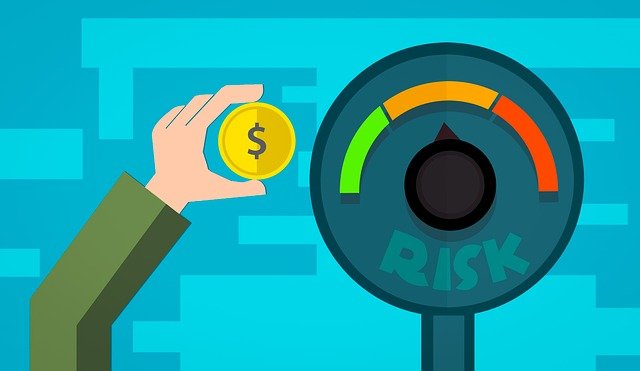
1. Defining Risk Assessment
Risk assessment in gambling involves evaluating the potential dangers and negative consequences associated with gambling activities. It encompasses understanding the probability of losing money, the emotional impacts of gambling, and the likelihood of developing gambling-related problems. Here’s what it typically includes:
- Financial Risks: Analyzing how much money you can afford to lose and the potential for financial ruin.
- Emotional and Psychological Risks: Understanding how gambling can affect mental health, including stress, anxiety, and depression.
- Social Risks: Recognizing how gambling can impact relationships with family and friends, potentially leading to isolation or conflict.
2. The Importance of Risk Assessment
Conducting a risk assessment before engaging in gambling activities is crucial for several reasons:
- Informed Decision-Making: Understanding the risks allows players to make educated choices about when and how much to gamble.
- Prevention of Problem Gambling: By recognizing the signs of potential gambling issues, individuals can take proactive measures to avoid developing unhealthy habits.
- Promoting Responsible Gaming: A thorough risk assessment encourages responsible gambling practices, ensuring that gaming remains a fun and enjoyable activity.
The Dangers of Gambling
3. Financial Consequences
One of the most significant dangers of gambling is the potential for financial loss. Here are some key points to consider:
- Loss of Savings: Many individuals may gamble with money they cannot afford to lose, leading to depleted savings and financial hardship.
- Debt Accumulation: Problem gambling can lead to significant debt, as individuals may borrow money to continue playing or recover losses.
- Bankruptcy: In extreme cases, compulsive gambling can result in bankruptcy, affecting not only the individual but also their family and dependents.
4. Emotional and Psychological Effects
Gambling can take a toll on mental health, leading to various emotional challenges:
- Anxiety and Stress: The uncertainty of gambling outcomes can create significant stress and anxiety, particularly when large sums of money are at stake.
- Depression: Many individuals who struggle with gambling may experience feelings of depression, particularly after significant losses.
- Addiction: Gambling can become addictive, leading to compulsive behaviors that are difficult to control. This addiction can have devastating effects on a person’s life.
5. Impact on Relationships
The consequences of gambling extend beyond the individual, affecting relationships with family and friends:
- Isolation: Individuals who gamble excessively may withdraw from social interactions, leading to feelings of loneliness and isolation.
- Conflict: Financial strain and emotional distress caused by gambling can lead to conflicts within families and friendships.
- Loss of Trust: Problem gambling can erode trust between partners and family members, creating rifts that may be challenging to repair.
Recognizing the Signs of Problem Gambling
6. Warning Signs
Understanding the warning signs of problem gambling is crucial for conducting an effective risk assessment. Here are some key indicators:
- Preoccupation with Gambling: Constantly thinking about gambling, planning the next session, or reminiscing about past wins.
- Increased Risk-Taking: Betting larger amounts of money to chase losses or seeking out riskier games.
- Neglecting Responsibilities: Ignoring work, family, or personal obligations in favor of gambling activities.
7. Seeking Help
If you or someone you know exhibits signs of problem gambling, it’s essential to seek help. Here are some resources available:
- Support Groups: Organizations like Gamblers Anonymous provide support and community for individuals struggling with gambling addiction.
- Counseling Services: Professional counseling can help address the underlying issues related to gambling and provide strategies for recovery.
- Hotlines: Many regions have helplines dedicated to helping individuals with gambling problems. These resources can offer immediate support and guidance.
Promoting Responsible Gambling
8. Strategies for Responsible Gambling
To mitigate risks associated with gambling, consider the following strategies:
- Set Limits: Establish clear financial limits before you start gambling. Stick to these limits to avoid overspending.
- Time Management: Allocate specific times for gambling and avoid excessive sessions that can lead to impulsive behavior.
- Self-Assessment: Regularly assess your gambling habits and be honest with yourself about whether they are healthy.
9. Educate Yourself
Knowledge is power when it comes to gambling. Educate yourself about the games you play, their odds, and the potential risks involved. Understanding the mechanics of gambling can help you make informed decisions and reduce the likelihood of negative outcomes.
Conclusion
Engaging in a risk assessment before gambling is essential for understanding the potential dangers associated with this activity. By being aware of the financial, emotional, and social risks, individuals can make informed decisions and promote responsible gaming. Remember, gambling should be a source of entertainment, not a path to financial ruin or emotional distress. Stay informed, set limits, and prioritize your well-being to enjoy a safer gambling experience.
Enhance Your Skills: Discover Our Expertise on Knowledge
Check Out Our Last Article on Free Play: Exploring No-Cost Gambling Options!
