Jakarta, lupincasino.com – Seven-Card Stud is one of poker’s most classic and strategically rich variants, known for its structured betting rounds, exposed cards, and emphasis on memory, observation, and disciplined decision-making. Unlike community card games such as Texas Hold’em, Seven-Card Stud gives each player a combination of face-up and face-down cards across several rounds, with no shared board. This creates a different kind of poker experience, one where visible information and careful reading of opponents play a much larger role.
What makes Seven-Card Stud especially compelling is that it rewards patience and attention as much as aggression. Players must track folded cards, evaluate exposed boards, and adjust their decisions street by street as more information appears. It is a format where solid fundamentals matter greatly, and careless play tends to get politely but firmly punished.
What Seven-Card Stud Is
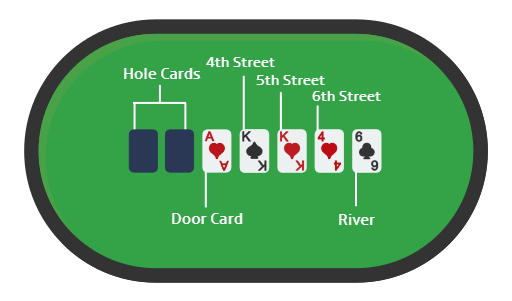
Seven-Card Stud is a traditional poker variant in which each player receives seven cards over the course of a hand, with a mix of hidden and exposed cards. Players use the best five-card combination from those seven cards to form their final hand. There are no community cards, and betting occurs after the initial deal and after each additional upcard is dealt.
A standard Seven-Card Stud hand includes:
- Two private downcards at the start
- One face-up card on third street
- Three more face-up cards dealt on later streets
- One final private downcard on seventh street
- Multiple betting rounds based on revealed information
These features explain why Seven-Card Stud plays very differently from flop-based poker games.
Basic Rules of Seven-Card Stud
Understanding the flow of the game is the first step to playing well.
How a Hand Begins
Each player is dealt:
- Two cards face down
- One card face up
The player with the lowest exposed card typically brings in the first forced bet, depending on the specific rules being used.
Betting Streets
The game proceeds through these rounds:
- Third Street – Two downcards and one upcard are dealt, then betting begins.
- Fourth Street – One additional upcard is dealt to each remaining player, followed by betting.
- Fifth Street – Another upcard is dealt, followed by betting.
- Sixth Street – A fourth upcard is dealt, followed by betting.
- Seventh Street – A final downcard is dealt, followed by the last betting round.
At showdown, the best five-card poker hand wins.
Hand Rankings in Seven-Card Stud
The hand rankings in Seven-Card Stud follow the standard high-hand poker order.
| Hand Rank | Description | Example |
|---|---|---|
| Royal Flush | A, K, Q, J, 10 of the same suit | Best possible hand |
| Straight Flush | Five consecutive cards of the same suit | Very rare and powerful |
| Four of a Kind | Four cards of the same rank | Extremely strong |
| Full House | Three of a kind plus a pair | Common winning showdown hand |
| Flush | Five cards of the same suit | Strong depending on board texture |
| Straight | Five consecutive cards | Often disguised in stud |
| Three of a Kind | Three cards of the same rank | Can be strong early, weaker later |
| Two Pair | Two different pairs | Medium-strength holding |
| One Pair | One pair | Often playable with strong kickers or board context |
| High Card | No made hand | Usually weak at showdown |
These rankings are standard, but in Seven-Card Stud, visible cards make relative hand strength more situational.
Strategic Differences in Seven-Card Stud
The strategy of Seven-Card Stud revolves around information, memory, and selective aggression.
Key Strategic Factors
-
Observe exposed cards
Track what opponents show and what dead cards are already out. -
Start with strong holdings
Premium pairs, live suited connectors, and coordinated three-card starts are more reliable. -
Watch card removal effects
If many of your outs are already visible in other players’ boards, your draw loses value. -
Respect board strength
An opponent showing coordinated upcards may represent a genuinely strong hand. -
Value positional awareness differently
Traditional dealer-button position does not exist, so visible board context matters more than seat-based rhythm.
These strategic differences make Seven-Card Stud a game of steady pressure and disciplined reading.
Winning Tips for Seven-Card Stud
To improve at Seven-Card Stud, players should focus on practical habits that strengthen long-term decision-making.
Proven Tips
- Play fewer starting hands, but play them confidently
- Fold weak draws when your key outs are already dead
- Pay close attention to all exposed cards
- Attack when your board looks stronger than your opponents’ boards
- Avoid overvaluing hidden strength when your visible board invites pressure
- Learn bring-in dynamics and betting structure
- Adjust based on how many players remain in the hand
- Stay patient through slower, information-heavy hands
These habits can give players a major edge over opponents who ignore visible information or chase weak holdings too far.
Common Mistakes in Seven-Card Stud
Many players struggle with Seven-Card Stud because they bring community-card habits into a very different game.
Frequent Errors
- Ignoring dead cards
- Playing too many weak starting hands
- Chasing dominated draws
- Failing to adapt to visible board development
- Overcommitting with buried pairs that do not improve
- Missing opportunities to represent strength through exposed cards
Avoiding these mistakes is often as important as making brilliant plays.
Why Seven-Card Stud Still Matters
Seven-Card Stud remains important because it represents a foundational form of poker strategy built on observation, patience, and analytical discipline. It teaches players to think beyond their own cards, track public information carefully, and make decisions based on changing hand visibility. Even in an era dominated by Hold’em, stud still offers a valuable and intellectually rewarding format.
It continues to stand out because it provides:
- Rich strategic depth
- Greater emphasis on memory and observation
- Less dependence on community cards
- Strong training for hand reading and discipline
- A classic poker experience with enduring appeal
This is why Seven-Card Stud remains one of poker’s most respected classic variants.
Final Thoughts
Seven-Card Stud is a classic poker game that rewards careful thinking, strong fundamentals, and sharp observation. Its exposed-card structure creates a more information-driven form of competition, where players must constantly reassess hand strength, drawing value, and opponent credibility. For those willing to slow down and pay attention, it offers a deep and rewarding strategic experience.
The key takeaway is simple. Seven-Card Stud matters because it combines traditional poker hand rankings with a uniquely thoughtful style of play built on visible information and disciplined choices.
Explore our “”Knowledge“” category for more insightful content!
Don't forget to check out our previous article: Heads-Up Poker: Aggressive Strategies and Psychological Edge for One-on-One Play
